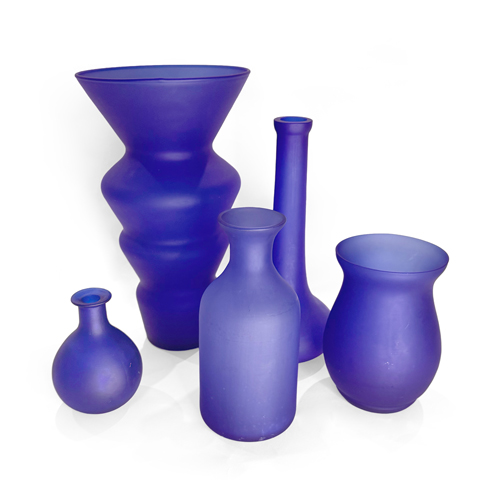
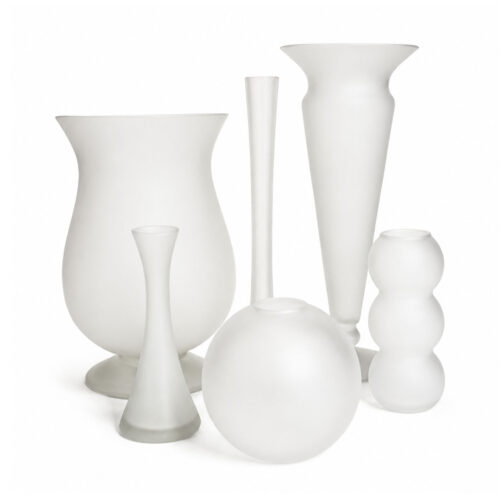
Mexican glass is born from color and earth. Unlike traditions centered on transparency, here glass becomes opaque, dense, and saturated.…
Mexican glass is born from color and earth. Unlike traditions centered on transparency, here glass becomes opaque, dense, and saturated. It does not seek to disappear or turn invisible; it asserts itself. Color is not decoration but structure, identity, and presence.
Forged in workshops where Indigenous heritage, colonial techniques, and popular knowledge coexist, Mexican glass moves between the utilitarian and the symbolic. Glassware and everyday objects carry an almost ritual energy, where function is never separated from gesture or celebration.
Forms are direct, sometimes robust, sometimes deliberately simple. Tones—deep greens, milky blues, opaque whites, dense ambers—speak of mineral pigments, intense fire, and processes in which the hand and chance still play a central role.
More than a style, Mexican glass is a material affirmation: objects made to be used, shared, and seen. Pieces in which color holds light rather than letting it pass through, and where every imperfection remains a living trace of making.